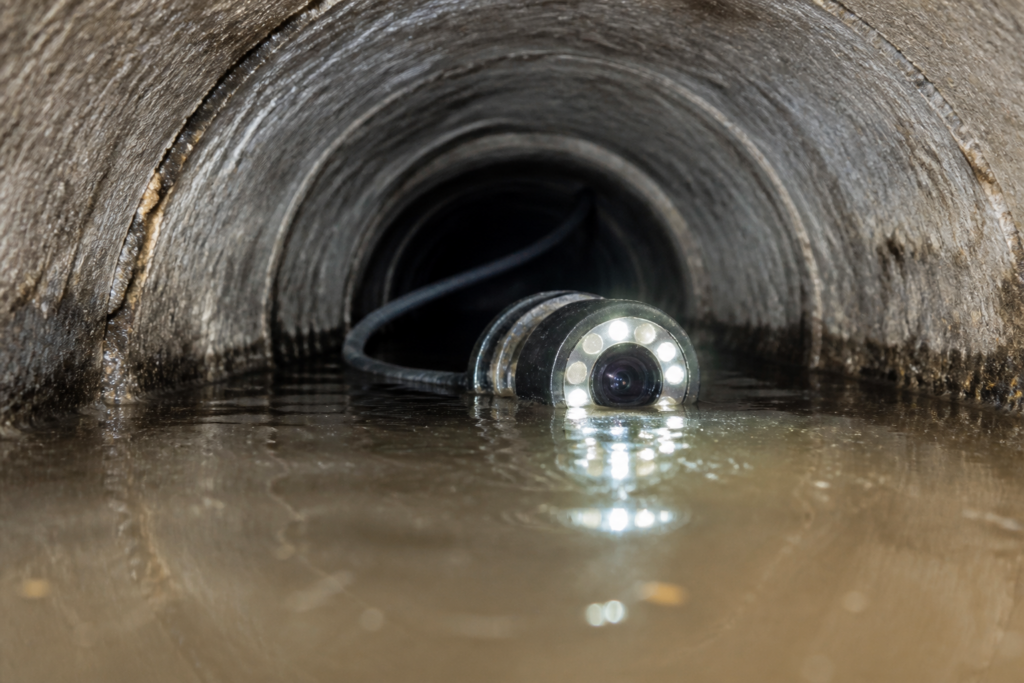
When a camera inspection shows that a sewer line has failed, the next step is a planned project rather than another clearing. The line has to be scoped, the route and method confirmed, the work scheduled, and the yard or driveway put back afterward. Knowing the order makes the estimates easier to compare and the schedule easier to plan around.
Replacement is a project, not a repair
A repair fixes a section or a joint. A replacement puts in a new line. The difference matters because replacement touches more of the property: the route from the house to the public main, the surface above it, and any landscaping, driveway, or walkway in the path. The quote should describe all three parts: the pipe, the route, and the surface above it.
Replacement is usually on the table when the pipe is collapsed or crushed, when it has offset joints or a belly that holds water, when roots have opened the pipe along much of its length, or when the same line has backed up repeatedly after cleaning. The camera report and the depth of the line decide the method.
How the project is scoped
The camera inspection is the evidence the scope is built on. The camera records the pipe material, the location and extent of the damage, the depth, and how the line reaches the public main. From that record the contractor decides whether the new line can be pulled through the old one, whether the old pipe has to be opened and removed, and where access has to be made. A sewer camera inspection is the step that makes the scope defensible.
Ask for the camera report and the proposed route in writing. The report should show where the problem is and why replacement is being recommended instead of another repair. That record also tells the contractor where utilities have to be marked before any digging starts.
Trenchless or open-cut
Two methods cover most replacements. A trenchless replacement pulls or bursts a new line along the path of the old one through small access pits, which leaves most of the yard and driveway in place. An open-cut replacement digs a trench along the line, which gives direct access to the whole run and is often the only option when the old pipe has collapsed or the route cannot be followed.
Each method has conditions. Trenchless work needs a pipe that can be followed and access pits in the right places. Open-cut work needs room for a trench and protection around anything buried nearby. The right choice is an engineering decision based on the camera report and the site, not a preference.
What the work includes
A complete scope covers the permit and inspection required by the local authority, the utility locates before digging, the new pipe and fittings, the connection at the house, the connection at the public main, testing, and the restoration of the surface that was opened. If any of those sits outside the quote, the homeowner should know before the work begins.
The pipe material and the bedding matter more than they look. A new line needs the right slope and support so it does not settle. Ask what pipe is being installed and how the trench or pit will be backfilled. Those two details decide whether the line performs for decades or becomes the next project. The same contractor should be able to explain the whole sewer line repair and replacement scope in one document.
What happens on site
Utilities are marked before any digging. The crew opens the access points, removes or bursts the old line, and installs the new pipe. The connection at the house and the connection at the main are made and tested. Then the surface is backfilled and restored. An inspection by the local authority may happen before the trench is closed, so the schedule is partly set by the municipality.
Expect noise, equipment, and limited access to the area for the length of the work. Keep vehicles off the work zone and keep children and pets away from any open pit. Ask at the start how you will be contacted if the crew finds something unexpected, because a failed side connection or an unmarked utility can change the plan.
Who does the inspection
Most municipalities require a permit and an inspection before a new sewer line is covered. The contractor should handle the permit application and book the inspection, and the homeowner should know when that inspection is expected. If the inspection fails for a slope or bedding reason, the contractor corrects it before backfill. Ask who is responsible for that step and who pays for a reinspection if one is needed.
What gets restored
Restoration is where quotes differ the most. Some include backfill, topsoil, and seed; some restore a driveway or walkway; some leave the surface work to the homeowner. Read that part of the scope closely. A lower number that excludes restoration is not comparable with a number that includes it.
Take photos of the area before the work starts, and confirm what the restored surface will look like. If the line crosses a finished patio or a driveway, ask how it will be protected and how it will be repaired.
Plan for the surface to look different for a season. New seed, fresh concrete, or replaced pavers settle and cure at their own pace. Ask whether the contractor returns for a follow-up visit and what is covered if the surface settles unevenly after the work.
Living with the work in progress
Drains may be out of service for parts of the workday, so plan around the schedule. Avoid heavy water use while the line is open, keep grease and wipes out of the remaining drains, and report any backup to the crew immediately. If the household cannot be without drains for the scheduled window, say so before the date is set.
What to ask before signing
Ask which method is proposed and why, what restoration is included, whether the permit and inspection are part of the price, how payment is scheduled, and what happens if the scope changes once the line is exposed. Ask for the camera report, the pipe specification, and the expected inspection timing. A scope that answers those questions is a project plan; a number without them is a guess.
Plan the project from the camera report
Frequently asked questions about sewer line replacement
How long does a sewer line replacement take?
+
It depends on the length and depth of the line, the method, the restoration, and the local inspection timing. A trenchless project and an open-cut project on the same property can run on different schedules. Ask for an expected window in the written scope and ask what would extend it.
Do I have to move out during sewer line replacement?
+
Usually not, but drains may be out of service for parts of the workday and the work area will be noisy and open. If the house cannot manage without drains for the scheduled window, tell the contractor before the date is fixed so the plan can account for it.
Is trenchless sewer replacement always possible?
+
No. Trenchless work needs a line that can be followed and access pits in the right places. A collapsed pipe, a route that cannot be followed, or limited access can rule it out. The camera report and the site conditions decide the method, not a preference.
Will the yard or driveway be restored after the work?
+
That depends on the scope. Some quotes include backfill, topsoil, seed, and surface repair; others do not. Read the restoration section before comparing numbers, and confirm what the finished surface is expected to look like. Photos of the area beforehand help the conversation.
How do I know the sewer line needs replacement instead of another repair?
+
The camera inspection is the evidence. Collapsed or crushed pipe, offset joints, a belly that holds water, roots that have opened much of the line, or repeated backups after cleaning are reasons a repair stops being the sensible option. The report should show the condition and say why.
Can tree roots be cleared instead of replacing the sewer line?
+
Sometimes. Clearing restores flow for a while, but roots return to the same opening, and a pipe that has been cracked or crushed by roots will keep failing. If the camera shows damage along the line rather than one obstruction, replacement is the more durable answer.
If a camera inspection has found a failed sewer line, contact Tom Sawyer Plumbing with the report and the location of the line. The next step is a written scope, not another clearing.