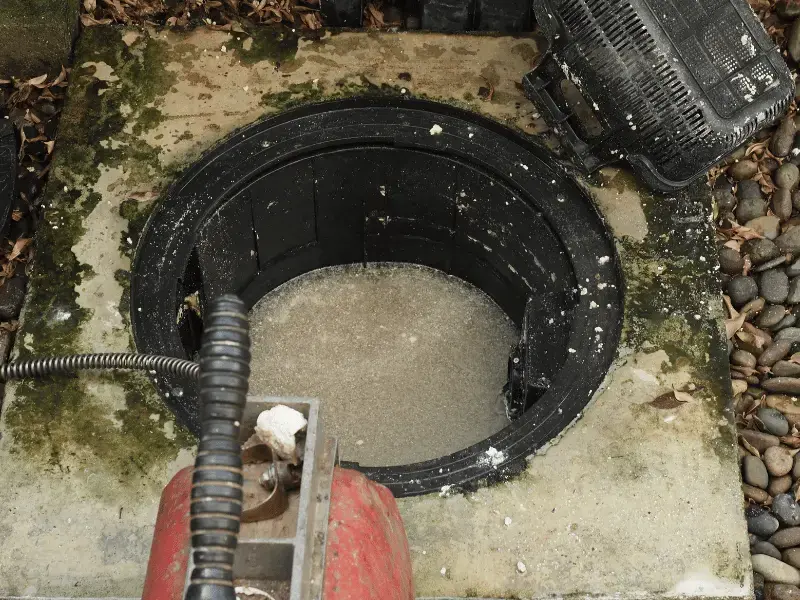
Quick Answer: How often a grease trap is cleaned depends on FOG output, trap size, and local rules but most restaurants follow every 1 to 3 months as a baseline. Use the ¼ rule (25% rule): when 25% full of total liquid depth (FOG + solids), it’s time to clean or pump. Don’t wait for symptoms like slow drainage, fruit flies, or grease showing up in sinks; those usually mean you’re already behind. Keep maintenance logs and match your schedule to cuisine and meal volume. If you consistently hit 25% too fast, you likely need a bigger interceptor or better solid control.
Table of Contents
The Simple Rule That Answers It Every Time
- Time check: Most manufacturers recommend cleaning a commercial grease trap every 1 to 3 months.
- Capacity check: The ¼ rule says clean when the trap reaches 25% FOG + solids.
This matters because once your grease interceptor goes beyond that threshold, it stops separating fats, oils, and grease (FOG) from wastewater, and the grease starts migrating into the plumbing system and municipal sewer lines.
In real kitchens, the magic number isn’t a single number, it’s your trap’s fill rate.
What Happens If You Wait Too Long
Waiting just a little longer often turns into avoidable downtime. When FOG sits in a trap, it cools and becomes solidified grease, restricting flow and increasing risk of clogs.
The common chain reaction looks like this:
- FOG accumulates →
- Water flow drops →
- Odors and pests show up →
- Drain lines start collecting grease →
- Backups occur →
- Business disruption + potential fines
A delayed cleaning schedule is one of the fastest paths to grease trap overflow and once that happens, you’re dealing with emergency cleanup, compliance stress, and possible closure.
Signs Your Grease Trap Needs Cleaning Right Now
If you notice slow drains, odors, pests, or grease in the wrong places, your trap likely needs service now even if it hasn’t been 90 days.
The most common warning signs from real-world kitchen operations include:
- Slow drainage at sinks and floor drains
- Fruit flies near floor drains or drain openings
- Foul odors that spread into prep zones or dining space
- Grease appearing in places it shouldn’t: sinks, water lines, or pipes
- Drainage clogging and frequent backups in the drainage system
If your team keeps noticing persistent foul odors coming from drains, treat that as a high-confidence sign that rancid FOG or trapped food waste is decomposing in the trap or nearby drain lines.
Grease Trap vs Grease Interceptor (Why Cleaning Frequency Changes)
Grease traps (often under-sink) fill faster than large interceptors, so they usually need more frequent cleaning.
A grease trap is typically smaller, closer to fixtures, and more sensitive to day-to-day volume changes. A grease interceptor is larger and often serves multiple fixtures, which can buy more time but it also hides problems until they’re bigger.
Typical patterns:
- Small traps: often weekly to biweekly depending on kitchen volume
- Interceptors: often monthly, sometimes every 1-3 months, depending on throughput and regulations
This is why asking how often a grease trap is cleaned without considering device type can give the wrong schedule.
The Three Biggest Factors That Decide Your Cleaning Interval
Your cleaning frequency is driven by cuisine, meals served, and trap size more than anything else.
1) Type of Cuisine and Menu
Fried foods, heavy sauces, dairy, and high-oil prep produce higher FOG loads. Lighter menus generally generate less.
2) Volume of Business
More covers = more dishwashing and more FOG in wastewater. Busy restaurants, fast-casual chains, and catering kitchens fill traps faster.
3) Size of the FOG Control Device
Larger units hold more, but they still need routine service. Even big traps can develop sludge layers and odor problems.
Tip: If you’re cleaning unusually often, the fix isn’t always clean more. It may be capacity, solid control, or staff habits.
Recommended Cleaning Frequency Ranges (Practical Guidance)
Below is a realistic reference table you can adapt to your restaurant.
Frequency Guidelines by Operation Type
|
Kitchen Type |
Typical FOG Output |
Starting Frequency |
Adjust Using 25% Rule |
|
Light prep / café |
Low |
Every 60-90 days |
Increase if odors/sludge show |
|
Standard restaurant |
Medium |
Every 30-60 days |
Clean at 25% total depth |
|
High-fry / heavy FOG |
High |
Every 1-4 weeks |
Often hits 25% quickly |
|
Large volume / multi-station |
High+ |
Monthly pumping + checks |
Add inspections and logs |
This table aligns with the common guidance: every 1 to 3 months, with high-volume kitchens needing more frequent service.
Best Practices That Reduce Pumping Costs (Without Risk)
Reduce what enters the trap, and you reduce how often it fills simple habits make the biggest difference.
Best Practices
- Dry wipe cookware and pans before rinsing
- Scrape food into trash before washing to cut solids
- Use strainers in drains (and clean them every shift)
- Recycle waste cooking oil many companies convert it to biodiesel fuel recycling
- Don’t pour grease into sinks or toilets
- Cover outdoor grease containers to prevent rainwater overflow and storm drain contamination
These habits protect your internal plumbing system, reduce clogs, and prevent grease from entering the sewer system and damaging sewer infrastructure.
Quick Fixes That Help Today (Before Your Next Service)
Quick fixes can slow problems, but they don’t replace a proper cleanout or pumping schedule.
Here are safe short-term steps:
- Remove and clean sink strainers immediately.
- Stop rinsing greasy pans directly and wipe first.
- If drains are sluggish, reduce water use and schedule service sooner.
- Confirm the lid is sealed (loose lids amplify odors).
If you need to clean out grease trap contents yourself (only for small under-sink units), do it safely: scoop FOG into a sealed container and dispose via approved methods never rinse it into drains.
The Truth About Enzymes vs Bacteria Cleaners
Enzyme products often liquefy FOG temporarily, while bacterial cleaners can digest FOG more completely when used correctly.
Competitors mention both approaches because many kitchens want a less pumping solution:
- Enzyme-based cleaners can break down grease but may push it downstream where it resolidifies in another section of pipe.
- Bacterial cleaners are designed to digest fats into byproducts (like water and carbon dioxide), reducing odor and FOG accumulation in the trap.
Tip: If you use any additive, treat it as support not a replacement for physical cleaning and your 25% rule.
Compliance, Inspections, and Why Logs Matter
Local regulations can require specific cleaning intervals, and documentation protects you during inspections.
Many cities and counties enforce cleaning windows regardless of how full the trap is. If you miss those windows, you risk fines, penalties, or operational interruptions.
Keep:
- A maintenance log with dates, trap condition, and service details
- Receipts and notes for inspections
- Any manufacturer guidance for cleaning frequency and pumping frequency
This documentation is often what inspectors want to see first. If you want consistent documentation and correct scheduling, work with commercial kitchen grease trap cleaning specialists who can match service frequency to your exact output and local rules.
What If You’re Cleaning Too Often?
If you’re cleaning constantly, the root cause is usually sizing, habits, or solids not bad luck.
Common reasons you might be cleaning too frequently:
- Trap is too small for the kitchen’s throughput
- Too much FOG entering drains (no wiping/scraping habits)
- Food solids increasing sludge depth
- Grease migrating into drain lines causing repeat restrictions
In these cases, improving commercial grease trap maintenance is usually more cost-effective than reacting to symptoms.
If your trap is regularly clogging and drains need attention, connect with drain cleaning specialists to check for grease deposits in downstream lines especially if backups continue even after service.
Restaurant Scenario Planner (Choose Your Best Schedule)
Use this simple planner to decide how often a grease trap will be cleaned for your exact kitchen.
Schedule Builder Based on Real Variables
|
Variable |
Low |
Medium |
High |
|
Meals served/day |
<100 |
100-300 |
300+ |
|
Frying/oil-heavy menu |
Rare |
Some |
Frequent |
|
Trap size relative to kitchen |
Large |
Adequate |
Undersized |
|
Best starting interval |
60-90 days |
30-60 days |
1-4 weeks |
|
Must do weekly checks? |
Optional |
Yes |
Yes (non-negotiable) |
Common Mistakes That Make Grease Traps Fill Faster
The fastest way to shorten cleaning intervals is letting grease and solids enter drains unchecked.
Mistakes to Avoid
- Rinsing grease away with hot water
- Skipping strainers or not cleaning them
- Dumping used oil into sinks
- Ignoring early odor signs
- Forgetting outdoor container covers
- Treating additives as a replacement for cleaning
Even a small daily habit can create major grease buildup over weeks.
When to Call Professionals (and What to Ask)
Call pros when drains slow across fixtures, odors persist, or your 25% threshold hits too fast.
Ask service providers:
- Can you measure and document the 25% level?
- Will you provide logs for inspections?
- Can you check for downstream grease deposits in drain lines?
- Do you recommend resizing based on meals served and menu type?
If you’re trying to keep costs predictable, an affordable plumbing company can help you build a routine plan that prevents emergency backups while keeping service intervals efficient.
Call Tom Sawyer Plumbing, LLC for a Smarter Cleaning Schedule
If you’re unsure about how often a grease trap is cleaned for your restaurant, Tom Sawyer Plumbing, LLC can help you set a schedule based on trap size, menu, meal volume, and compliance requirements so you avoid surprise shutdowns and expensive backups.
Call Tom Sawyer Plumbing, LLC: 6308499265
FAQs About Grease Trap Cleaning
How often should a grease trap be cleaned for most restaurants?
For most restaurants, grease trap cleaning starts at every 1-3 months and then adjusts based on the 25% rule. High-volume kitchens often need more frequent cleanings, sometimes every 1-4 weeks.
What is the 25% (¼) rule for grease traps?
The 25% rule means you clean the trap when FOG + solids reach 25% of the liquid depth. Past this threshold, separation becomes ineffective and clogs become more likely.
What are the strongest signs my grease trap is full?
Slow drainage, foul odor, fruit flies near drains, and grease appearing in sinks or pipes are strong signs. These symptoms indicate FOG buildup and possible backups.
Are enzyme cleaners enough to reduce cleanings?
Enzyme cleaners may liquefy grease temporarily but can push it downstream where it can re-solidify. Bacterial cleaners can be more effective, but neither replaces physical cleaning schedules.
Can local rules override the 25% rule?
Yes, local regulations can require cleaning by time interval even if your trap isn’t 25% full. Always follow local codes to avoid fines and business disruption.
We serve restaurants and commercial kitchens in Geneva and Saint Charles with grease trap maintenance. For related issues, learn what happens when a grease trap overflows and how to prevent it.